Restoration
Water Damage Drywall Repair in Shreveport, LA
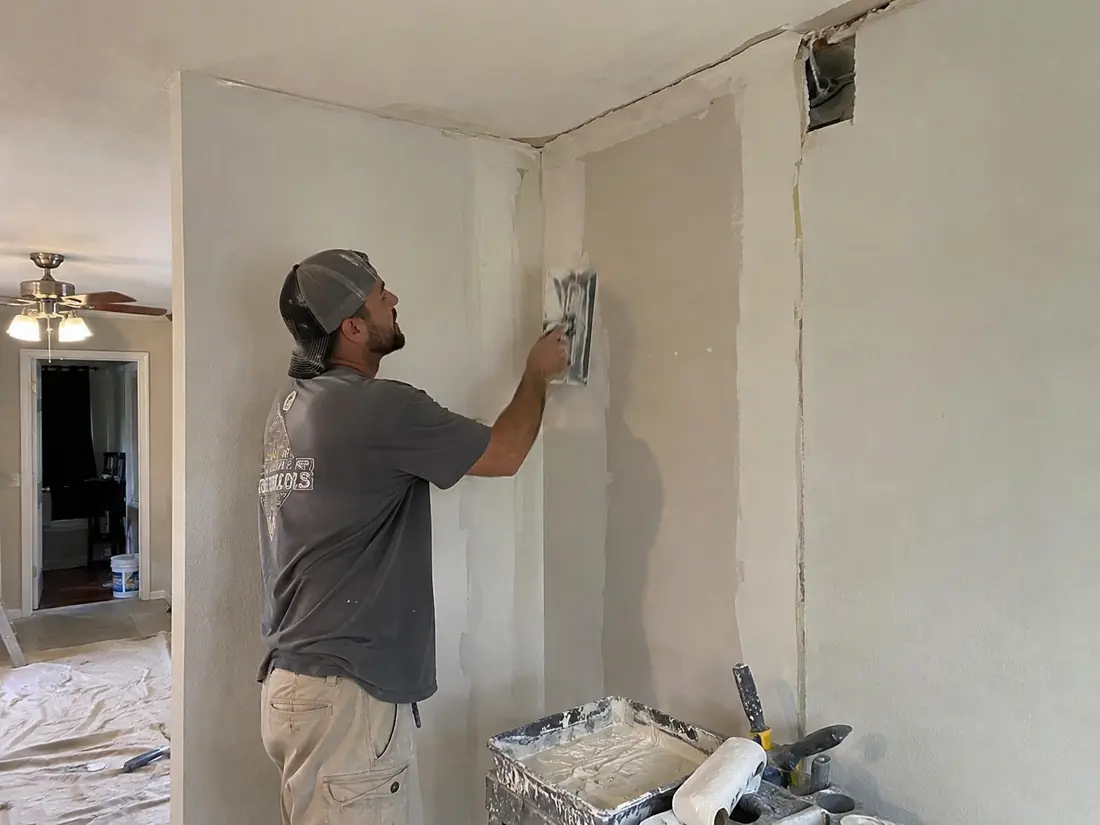
Wet board removed back to sound material, framing and insulation verified dry with a meter, and only then rebuilt. Skipping that step is why water repairs fail twice.
Water Damage Drywall Repair, Sequenced Correctly
Where the board has gone soft across a whole wall or ceiling, the work is removal and replacement rather than repair, and it still only starts once the moisture source is resolved.
Water damage drywall repair in Shreveport fails for one reason more than any other: somebody closed the wall before the cavity behind it was actually dry. The visible drywall is the last thing to address in a water event and the first thing everybody wants fixed. Doing it in that order produces a repair that looks finished and traps moisture, insulation and framing behind a sealed surface where it cannot dry.
Gypsum board also does not recover. Once it has been saturated, the paper facing delaminates and the core loses its strength permanently, so drying a soaked sheet in place does not restore it. It has to come out.
What's Included
- Source confirmation. We do not start until the leak is stopped and confirmed. We do not do roofing or plumbing, but we will help you identify where to look based on where the damage appears.
- Moisture mapping. A meter tells us where the wet material actually ends, which is almost always further than the staining suggests.
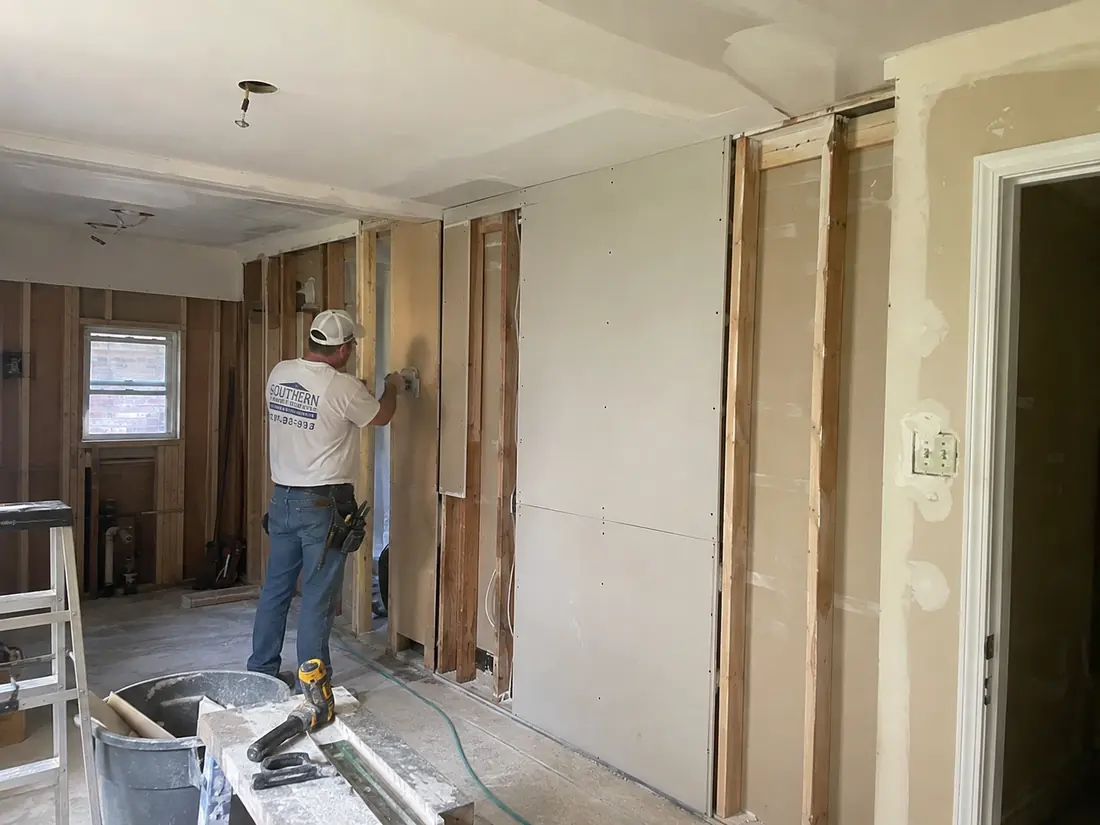
- Controlled demolition back to sound, dry material, with clean square cuts that make the rebuild straightforward.
- Insulation assessment. Insulation that got wet loses its performance and does not recover by drying. It gets replaced, not dried in place.
- Framing inspection and drying verification, with meter readings taken before anything closes back up.
- Rebuild with appropriate board, which in a moisture-prone location often means mold-resistant board rather than standard.
- Tape, coat, sand and texture match to the surrounding surface.
- Stain-blocking primer so residual tannin staining does not bleed through your paint.
Signs of Water Damage in Drywall
Brown or yellow rings
The classic sign, and the stain is downhill from the actual entry point rather than beneath it. Water travels along framing and follows the path of least resistance before it shows itself, which is why the leak is rarely directly above the mark.
Soft or spongy board
Press gently. Board that gives under light pressure has lost its structural integrity and will not recover when it dries. This is not repairable by drying, it is replaceable.
Bubbling or peeling paint
Moisture behind the paint film pushes it off the surface. This often appears before any visible staining, which makes it an early warning worth acting on.
Musty smell without a visible stain
Frequently the first sign of a slow leak inside a wall cavity. The EPA notes that mold can begin growing on damp material within 24 to 48 hours, so a persistent musty smell with no obvious source deserves investigation rather than an air freshener.
Tape lifting along seams
Moisture breaks down the adhesion of joint compound. Tape releasing along a seam in a bathroom, laundry room or exterior wall often indicates a moisture problem rather than a finishing failure.
Our Process
Confirm the source is stopped
Nothing else happens first. If the roof, plumbing or flashing issue is still active, any drywall work is money spent on a repair that will fail. We will tell you what we think the source is and where to have it addressed.
Map the moisture
A moisture meter establishes the actual boundary of wet material, which routinely extends well beyond the visible stain. Cutting to the stain line rather than the moisture line leaves damp material inside the wall.
Remove wet material
Affected board removed back to dry, sound edges with clean square cuts. Wet insulation removed and bagged, since it has lost its R-value and holds moisture against the framing.
Dry and verify
The cavity is dried and then verified with meter readings. This is the step that gets skipped under time pressure and it is the step that determines whether the repair holds.
Rebuild
New board installed, with mold-resistant board specified where the location warrants it, then taped and coated with proper dry time.
Texture, stain-block and prime
Texture matched to the surrounding surface, then stain-blocking primer applied so old tannin staining does not migrate back through the finish paint.
Repair Scope Decisions
Cut to the stain versus cut to the moisture line
The stain shows where water sat long enough to leave a mark. The moisture meter shows where water actually reached. These are different boundaries, and the second one is always larger. Cutting to the stain is faster and cheaper and leaves damp material sealed inside your wall. We cut to the moisture line and will show you the readings.
Standard board versus mold-resistant board
Mold-resistant board uses a fiberglass mat or treated facing rather than paper, removing the food source that mold needs. It costs more per sheet. In a location that has already had one water event, particularly in a bathroom, laundry room or on an exterior wall in this climate, it is a sensible upgrade rather than an upsell.
Partial versus full wall replacement
When damage sits low on a wall, a horizontal cut and partial replacement is often correct and creates one new seam. When damage is scattered or extends near the ceiling line, replacing floor to ceiling gives a cleaner result with fewer seams to hide. On a smooth wall in strong light, fewer seams matters considerably.
Insulation: dry or replace
Fiberglass batt insulation that has been saturated compresses and loses much of its performance, and it holds moisture against framing long after the surrounding materials have dried. Replacing it is inexpensive relative to reopening the wall later. We replace rather than attempt to dry in place.
Water Damage in Northwest Louisiana Homes
Shreveport averages roughly 50 inches of rainfall a year, and much of it arrives in intense thunderstorm activity rather than steady drizzle. Wind-driven rain behaves very differently from vertical rainfall: it finds flashing details, window head trim, siding laps and roof penetrations that shed ordinary rain without difficulty. This is why so much local interior water damage traces back to storms rather than to any ongoing defect, and why it often appears in a spot that has been fine for years.
The second local pattern is attic condensation, and it is frequently misdiagnosed as a roof leak. Air conditioning runs for a long season here, and when warm humid attic air contacts cool ceiling surfaces and poorly insulated duct lines, it condenses. That moisture drips onto the ceiling board below with no roof defect involved at all. If a roofer has been out twice and found nothing while the ceiling keeps staining, attic ventilation and duct insulation are the more likely culprits.
Because the ambient humidity here is high, drying a wall cavity takes longer than it would in a drier climate, and the natural drying that a wall would otherwise do on its own is much slower. That is exactly why meter verification matters here more than it would elsewhere. A cavity that feels dry to the hand can still be holding enough moisture to cause problems once it is sealed behind new board.
What Affects the Price
Water damage repairs are quoted with a range more often than other drywall work, for an honest reason: nobody knows the full extent until the board comes off. What drives the number:
- Actual extent versus visible extent. The moisture line is always larger than the stain, sometimes substantially.
- Ceiling versus wall. Ceiling work costs more and is more common in roof-related damage.
- Insulation replacement. Wet insulation is removed and replaced rather than dried.
- Drying time required. A cavity that needs several days of drying extends the schedule.
- Board upgrade. Mold-resistant board costs more per sheet and is often the right call in a location with a history.
- Texture matching. Repairs in textured rooms need the match process.
If your damage is being handled through an insurance claim, we provide itemized written documentation with photographs of conditions found behind the wall, which is generally what adjusters need.
Water Damage? Do Not Close It Up Until It Is Verified Dry.
Send us photos of the staining and tell us what happened. We will tell you what we are likely looking at, where the source probably is, and what the repair sequence needs to be so you are not paying for it twice.
Prefer to talk it through? Call (318) 666-5548.
Why Choose Us
Why Choose Us for Water Damage Repair
Shreveport Drywall Pro is a drywall specialist, not a general contractor who takes drywall on the side. Three things set the work apart.
We Cut to the Moisture Line, Not the Stain Line
The visible stain marks where water sat long enough to leave a mark. A moisture meter shows where water actually travelled, and that boundary is always larger. Cutting to the stain is faster and cheaper and it seals damp material inside your wall. We map the actual moisture boundary and will show you the readings before we cut.
Moisture boundary mapped with a meter on every jobVerified Dry Before Anything Closes Up
This is the step that separates a repair that holds from one you pay for twice. We take meter readings on framing and sheathing and confirm the cavity is genuinely dry before new board goes on. The EPA notes mold can begin growing on damp material within 24 to 48 hours, which makes a sealed damp cavity a health problem and not only a durability one.
EPA: mold can begin growing on damp material within 24 to 48 hoursDocumented for Your Insurance Claim
We photograph conditions found behind the wall, record moisture readings, and provide an itemized written scope. Adjusters generally want evidence of the actual extent rather than a lump-sum figure, and conditions behind a wall stop being documentable the moment the wall is closed. We document as we go rather than reconstructing it afterward.
Photographic and moisture documentation provided as standardFAQ
Water Damage Drywall Repair Questions
Can water-damaged drywall be dried instead of replaced?
Not once it has been genuinely saturated. Gypsum board loses its structural integrity when soaked and the paper facing delaminates, and neither recovers on drying. Board that is merely damp at the edge of an event may be salvageable, and a moisture meter is what tells the difference. Board that is soft to the touch is not.
How do I know how far the damage extends?
You cannot tell by looking, which is the core problem. Water travels along framing and the visible stain is only where it sat long enough to mark. A moisture meter establishes the real boundary, and it is routinely well beyond what the stain suggests.
Should I use mold-resistant drywall in the repair?
In a location that has already had one water event, usually yes. Mold-resistant board replaces the paper facing with fiberglass mat or treated facing, removing the food source mold needs. It costs more per sheet, and in a bathroom, laundry room or exterior wall in this climate that is money well spent.
Will my insurance cover this?
That depends on your policy and the cause. Sudden events such as a burst pipe are commonly covered, while long-term seepage and maintenance issues frequently are not. We provide itemized documentation with photographs and moisture readings, which is what adjusters typically ask for, but the coverage decision is between you and your insurer.
My ceiling keeps staining but the roofer found nothing. Why?
Very likely attic condensation rather than a roof leak. With a long cooling season, warm humid attic air meeting cool ceiling surfaces and uninsulated duct lines condenses and drips onto the board below. Attic ventilation and duct insulation are the fix, and no amount of roof work will resolve it.
How long before you can rebuild?
It depends entirely on how wet the cavity is and how well it can be dried. Anywhere from a couple of days to over a week. Our humidity slows natural drying considerably, so we verify with a meter rather than working to an assumed schedule. Rebuilding early is the most common cause of a repeat failure.
Guides
More on Water Damage Drywall Repair
Water Damage: Repair or Replace?
Gypsum does not recover from saturation. How to tell damp from soaked, and why the stain line lies.
Read more →
Drywall After a Plumbing Leak
Yes, but the sequence is not negotiable. Why a slow leak is worse than a burst pipe.
Read more →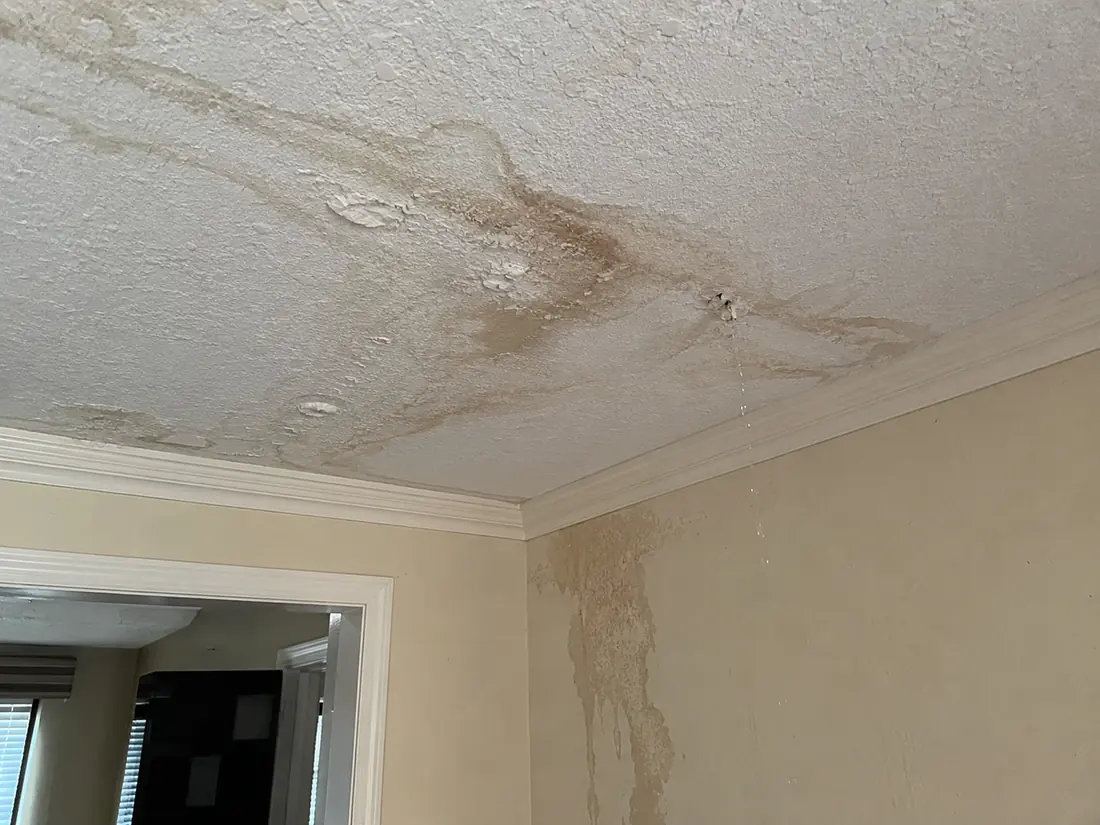
Drywall After a Roof Leak
The stain is never directly under the leak. And half the time it is not a leak at all.
Read more →Service Area
Water Damage Drywall Repair Near You
We cover water damage drywall repair across Shreveport and the surrounding parishes. Each area page covers what is specific to that community's housing and conditions.
Related Services
Ceiling Drywall Repair
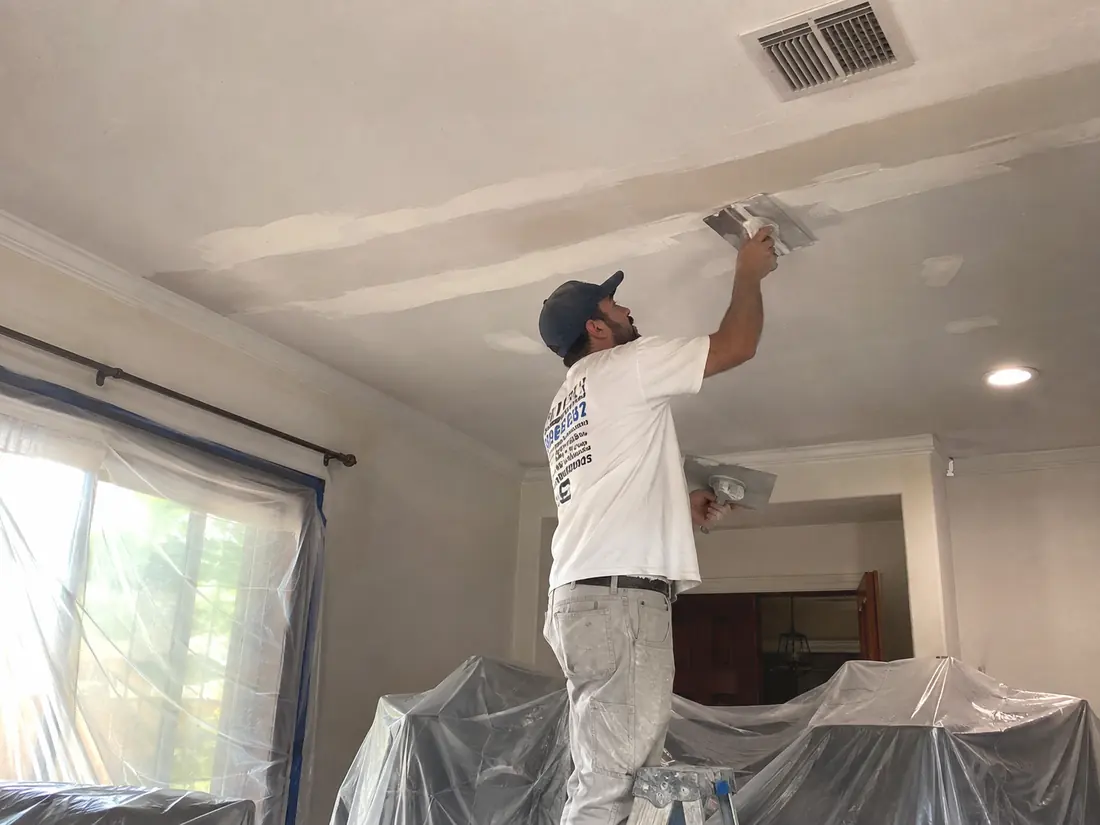
Sagging ceilings, water stains, joint cracking and failed fasteners corrected with the right board thickness.
Learn more →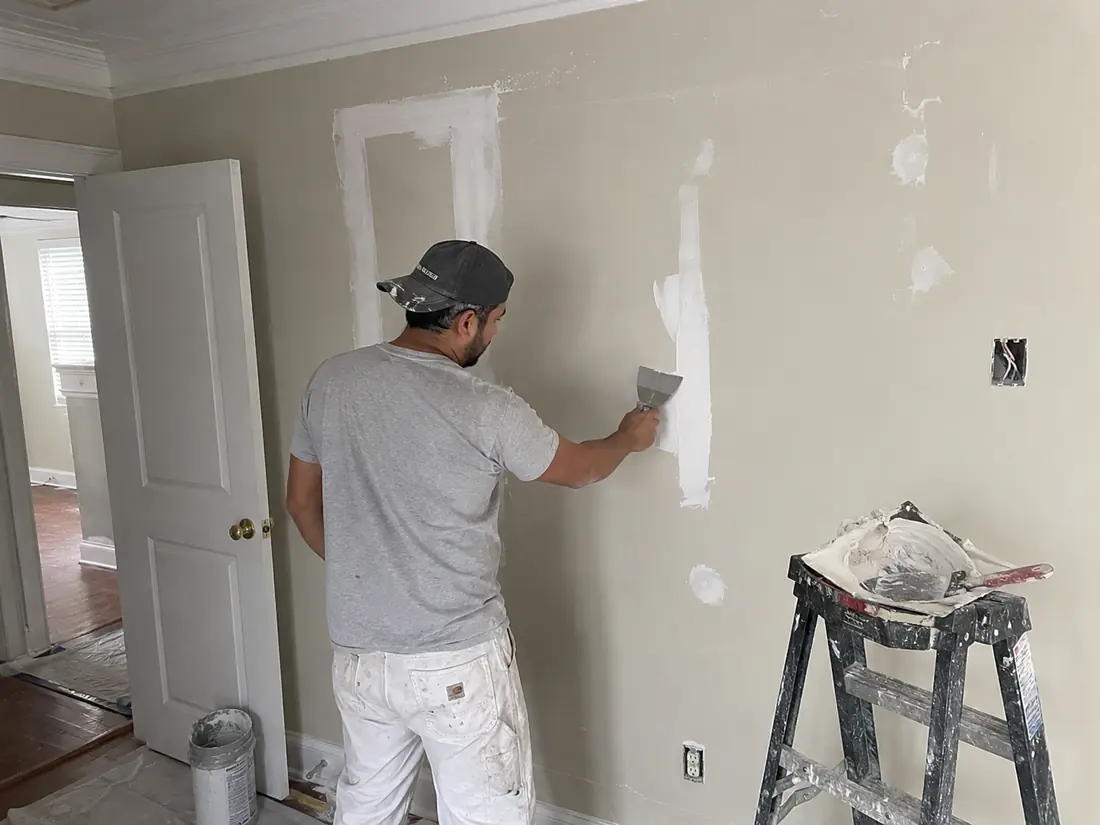
Drywall Repair
Holes, cracks, nail pops and settlement damage repaired and textured to match the surrounding wall.
Learn more →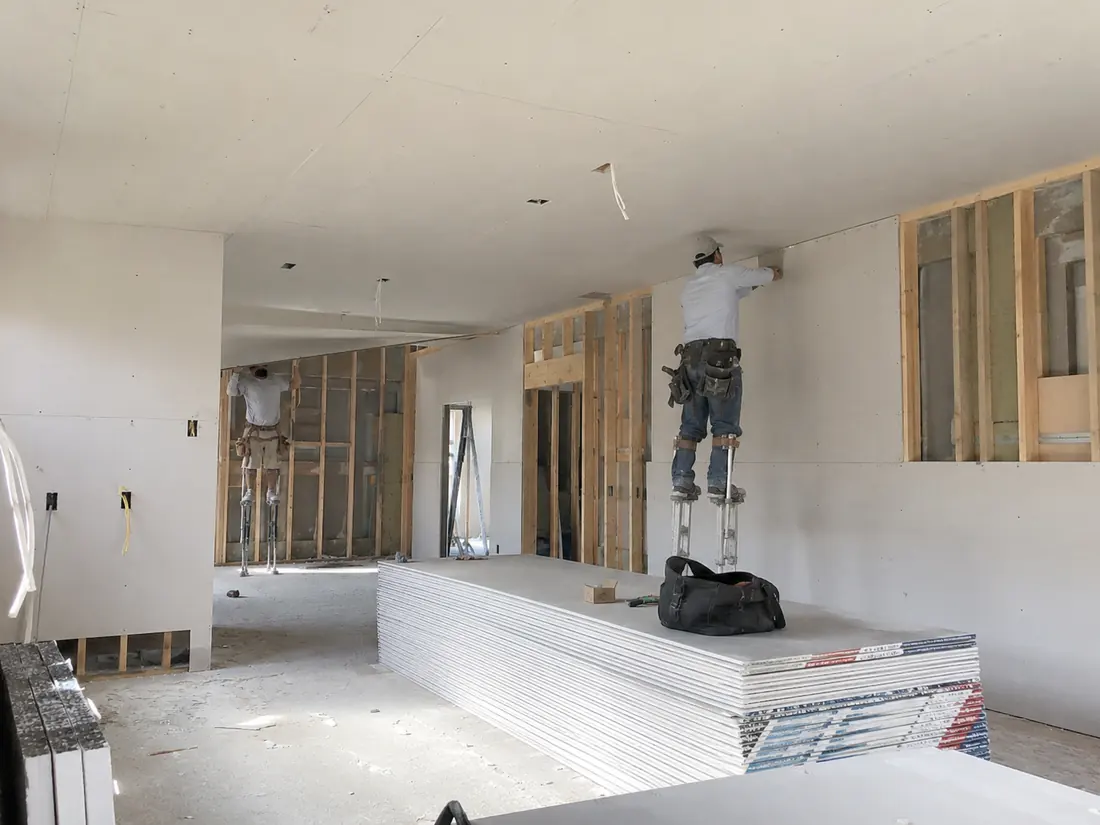
Drywall Installation
New board hung, taped and finished for additions, garage conversions, remodels and whole-home builds.
Learn more →Not what you were looking for? See all drywall services or learn more about us.
Ready to get started?
Free written estimate, itemized before anything begins. We respond within 2 business hours.
Get a Free Quoteor call (318) 666-5548