Older Home Repair
Plaster & Lath Repair in Shreveport, LA
Plaster fails differently from drywall, so it gets repaired differently. We stabilise what is sound and only replace what is genuinely gone.
Plaster and Lath Repair for Older Shreveport Homes
Plaster repair in Shreveport is a different job from drywall repair, and treating it as the same job is why so many plaster walls end up worse after someone works on them. Drywall is a manufactured panel screwed to framing. Traditional plaster is a wet material applied in coats over lath, and it fails in ways board never does.
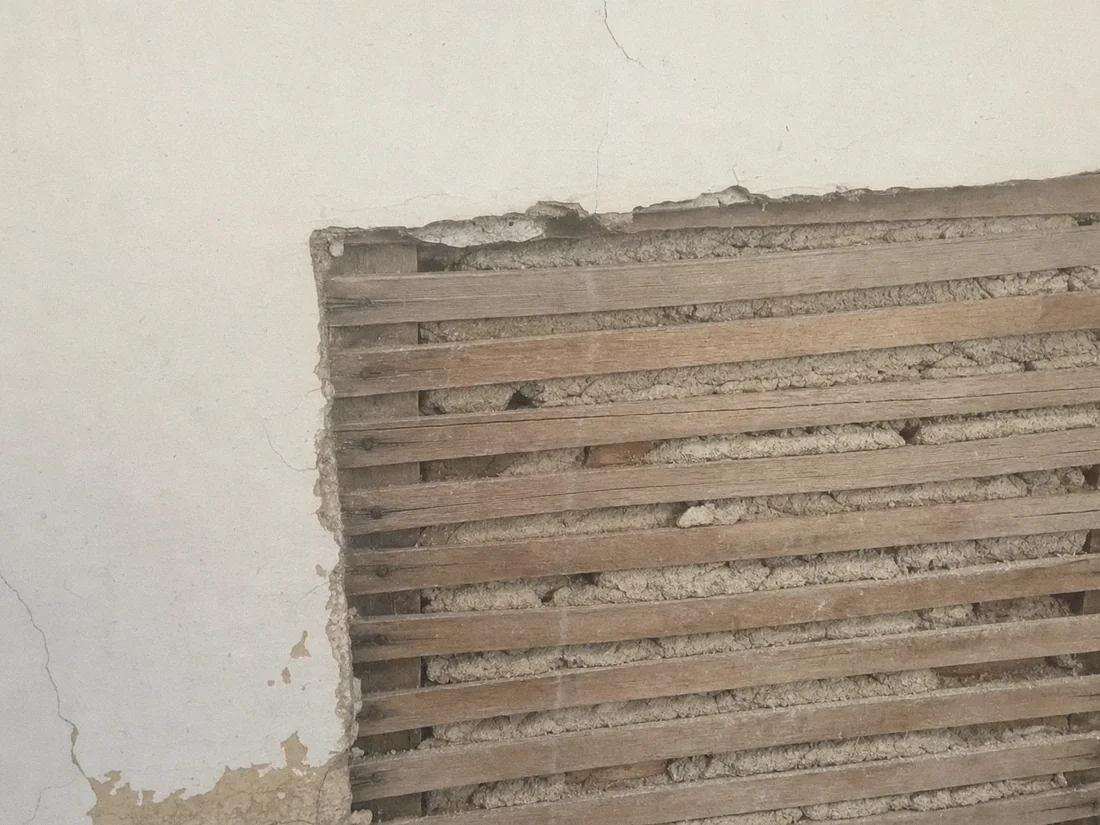
The failure that matters most is not the crack you can see. On a wood lath wall, wet plaster was pushed through the gaps between the lath strips and slumped behind them, forming keys that lock the wall in place once cured. When those keys break, the plaster separates from the lath and the wall starts moving independently of the structure behind it. You get a surface that feels hollow or spongy when you press it, and cracks that keep coming back no matter how many times the visible line is filled.
Filling that crack does nothing, because the crack is a symptom. If the plaster has lost its key, the repair has to reattach the plaster to the lath first. That is the part most people skip, and it is the reason the same crack reopens in the same place a season later.
What's Included
- Sounding the wall first. We tap across the area around the damage to find where the plaster is still keyed and where it has let go. The failed zone is almost always larger than the visible crack, and quoting before establishing its extent is guesswork.
- Re-anchoring loose plaster to the lath with plaster washers and screws where the material is intact but detached, which stabilises the wall without removing sound original plaster.
- Cutting back only what has genuinely failed, back to a firm edge with the lath left in place where it is still sound.
- Rebuilding in coats rather than filling a cavity in one pass, because a deep single fill shrinks, cracks and often pulls the surrounding edge with it.
- Reinforcing structural cracks across the repair rather than only filling them, so the joint has something holding it together when the house moves again.
- Matching the surrounding surface, whether that is a smooth trowelled finish or a texture, tested on a sample area before it goes on your wall.
- Handling the thickness difference where plaster meets drywall. Plaster is typically thicker than half-inch board, so a flush transition needs the board furred out rather than butted up and floated over.
- Dust containment and daily cleanup. Cutting out failed plaster is dustier than drywall work, and old plaster dust travels.
What Plaster Failure Actually Looks Like
Plaster gives you more warning than drywall does, if you know what you are looking at.
- A hollow or drummy sound when you tap the wall, and slight movement under hand pressure. This is lost keying, and it is the one that needs attention regardless of how the surface looks.
- Cracks that return in the same place after being filled, which usually means either lost keying or continuing structural movement behind the wall.
- Long diagonal cracks from door and window corners, which point at movement in the structure rather than at the plaster itself.
- Fine map cracking across a whole surface, generally a finish-coat problem rather than a failure of the wall.
- Bulging or bellied sections, where the plaster has separated and is being held up mostly by the paint and whatever keys remain.
- Sagging plaster ceilings, which are the urgent case. A ceiling holds its own weight against gravity with nothing else supporting it, and a section that has lost its keys can come down.
- Crumbling around old fixtures and boxes, where drilling and repeated fixture changes have broken up the plaster locally.
- Damage revealed after wallpaper removal, which is common in older homes where paper was covering cracks rather than a sound wall.
Our Process
Assess and sound the wall
We map the extent of the failure by tapping across the area rather than working from the visible damage. We also identify what you actually have, since wood lath, metal lath and rock lath all behave differently and want different repairs. You get told which one it is and what that means for the work.
Stabilise before repairing
Where plaster is intact but has lost its grip on the lath, it gets re-anchored with plaster washers and screws before anything is filled. Skipping this is the single most common reason a plaster repair fails, because the surface gets restored while the underlying problem is left exactly as it was.
Cut back to sound material
Anything crumbling, detached beyond saving or too thin to hold gets removed back to a firm edge. Sound lath stays. We do not open a wall further than the failure requires, because original plaster that is still keyed is worth keeping.
Rebuild in coats
Base material goes on in layers appropriate to the depth, allowed to set between passes rather than being filled flush in one go. A deep cavity filled in a single pass shrinks as it cures, which cracks the repair and frequently the edge around it.
Reinforce and finish
Cracks get reinforced across the joint so the repair has tensile strength rather than just filling a gap. The finish coat is then brought level with the surrounding wall and feathered wide enough that the transition does not read under side light.
Match the surface and prime
Smooth plaster is matched by trowel and sanding, textured surfaces by reproducing the application method. We test the match on a sample area first. New plaster and old plaster absorb paint differently, so the repair is primed to stop the patch flashing through the topcoat.
Repair the Plaster, or Replace It With Drywall
This is the decision that actually matters, and the honest answer depends on how much of the wall has failed rather than on which material anyone prefers.
Repair the plaster
The right call when the failure is localised and most of the wall is still keyed. Plaster is thicker, harder and more sound-deadening than half-inch board, it holds the original profile of the room at window returns and around trim, and re-anchoring sound plaster is usually less disruptive and less expensive than tearing a room back to the studs.
Patch the plaster with a drywall infill
Practical for larger holes where the surrounding plaster is sound. Board is cut to fit the opening and furred out so its face finishes level with the plaster rather than sitting recessed behind it, then the joint is taped and finished across. The thickness difference is the entire craft of this repair, and getting it wrong is why patched plaster walls so often show a shallow dish where the repair sits.
Replace the wall with drywall
Warranted when a wall or ceiling has failed across most of its area, when the lath itself is broken or rotten, or when the room is already being taken apart for other work. Once the plaster is off, that is drywall installation, and it is covered on the drywall installation page.
We will tell you which of these three the wall actually needs. A room with two bad corners does not need to be gutted, and a ceiling that has let go across most of its span is not worth chasing with washers.
Plaster in Shreveport Housing
Plaster and lath was the standard interior wall system in American homes built before drywall took over in the middle of the last century, so it turns up in Shreveport's older housing rather than in anything recent. The historic districts hold a concentration of homes from that era, though age is a better guide than address and plenty of older houses have been reboarded at some point already. The reliable way to know what you have is to look, not to assume from the neighbourhood.
Two local conditions matter for how plaster behaves here. The first is the expansive clay soil common across the area, which swells when it takes on water and shrinks in a dry spell. That movement transfers into the frame, and plaster is stiff and brittle, so it registers movement as cracking sooner than a drywall wall would. Recurring diagonal cracks at the same door corner are usually telling you about the ground, not about the plaster, and we will say so rather than sell you the same repair twice.
The second is humidity. Gypsum plaster is not waterproof, and a slow roof or plumbing leak into a plaster ceiling softens the material and breaks the keys well beyond the stain you can see. Any water-affected plaster needs the source fixed first, which is covered on the water damage repair page.
One thing we do not do is claim specialist heritage or preservation credentials. This is competent plaster repair by people who understand how the system works and will keep what is worth keeping. If your home is in a designated district and the work is governed by preservation requirements, check those requirements before anyone starts.
What Affects the Price
Plaster repair is quoted per area after the wall has been sounded, not per crack, because the failed zone is routinely larger than the visible damage. Anyone quoting a plaster repair from a photograph is quoting the symptom.
What moves the number: how much of the surrounding plaster has lost its key, whether the lath is intact, ceiling versus wall (ceilings cost more, they are overhead work fighting gravity), the finish you are matching into, and the number of coats the depth requires. Structural cracks that need investigating before repair are a different conversation, and we would rather have it early.
You get a written quote with the scope, the method and the finish written out before anything starts.
Cracks keep coming back in a plaster wall?
That usually means the plaster has lost its grip on the lath, or the house is still moving. Both are diagnosable. Send photos and we will tell you which one you are looking at.
Prefer to talk it through? Call (318) 666-5548.
Why Choose Us
Why Choose Us for Plaster Repair
Shreveport Drywall Pro is a drywall specialist, not a general contractor who takes drywall on the side. Three things set the work apart.
We Repair Plaster as Plaster
The default in the trade is to rip out plaster and hang board, because board is faster and more familiar. That is the right answer sometimes and the wrong answer often. Sound original plaster is thicker, harder and better at deadening sound than half-inch drywall, and it holds the original proportions around trim and window returns. We keep what is worth keeping and tell you plainly when it is not.
Sound original plaster is kept, not defaulted to tear-outWe Fix the Keying, Not Just the Crack
A filled crack in a wall that has lost its key is a cosmetic repair with a countdown on it. We sound the area to find the real extent of the failure and re-anchor the plaster to the lath before anything is filled, which is the difference between a repair that holds and one that reopens in the same line next season.
Every plaster repair is sounded before it is quotedWe Handle the Transition Properly
Plaster is thicker than half-inch board, so where the two meet the board has to be furred out to finish flush. Butting board straight against plaster and floating over the step is the standard shortcut, and it leaves a shallow dish that shows under any raking light. We build the transition to sit level.
Plaster is typically thicker than half-inch board, so transitions get furredFAQ
Plaster & Lath Repair Questions
How much does plaster repair cost in Shreveport?
It is quoted per area after the wall is sounded rather than per crack, because the plaster that has lost its grip on the lath almost always extends past the visible damage. The main cost drivers are how much of the surrounding area has failed, whether it is a wall or a ceiling, how many coats the depth requires, and what finish is being matched. You get a written quote with the scope and method itemised before any work starts.
Can you repair plaster, or does it all have to be replaced with drywall?
Most plaster can be repaired, and a lot of plaster that gets replaced did not need to be. If the majority of the wall is still keyed to the lath and the failure is localised, repair is usually the better and less disruptive option. Full replacement makes sense when a wall or ceiling has failed across most of its area, when the lath itself is broken or rotten, or when the room is being stripped for other work anyway.
Why do the same cracks keep coming back in my plaster wall?
Two usual causes. Either the plaster has lost its keys and is moving independently of the lath, so filling the surface treats a symptom, or the house itself is still moving. Expansive clay soil is common across this area and it swells and shrinks with moisture, which flexes the frame and reopens brittle plaster in the same places. If a crack has returned more than once, that is worth diagnosing before it is filled again.
Is my plaster ceiling dangerous?
A plaster ceiling that sounds hollow, sags visibly or is shedding material deserves prompt attention, because a ceiling carries its own weight with nothing beneath it and a section that has lost its keys can come down. Stay out from under a visibly sagging area and get it looked at rather than waiting to see whether it settles.
What is the difference between plaster repair and drywall repair?
Drywall is a manufactured panel fastened to framing, so repair means cutting in new board and finishing the joints. Plaster is a wet material applied in coats over lath, and it fails by separating from that lath. A plaster repair often has to reattach the existing material before anything is filled. The tools, the materials and the sequence are different, which is why we keep them on separate pages.
Do you do historic or heritage restoration?
We do competent plaster repair, and we will keep original material wherever it is sound rather than defaulting to tear-out. We do not hold preservation or heritage restoration credentials and we will not claim otherwise. If your property is in a designated district or subject to preservation requirements, confirm what those require before commissioning any work.
Related Services
Drywall Repair
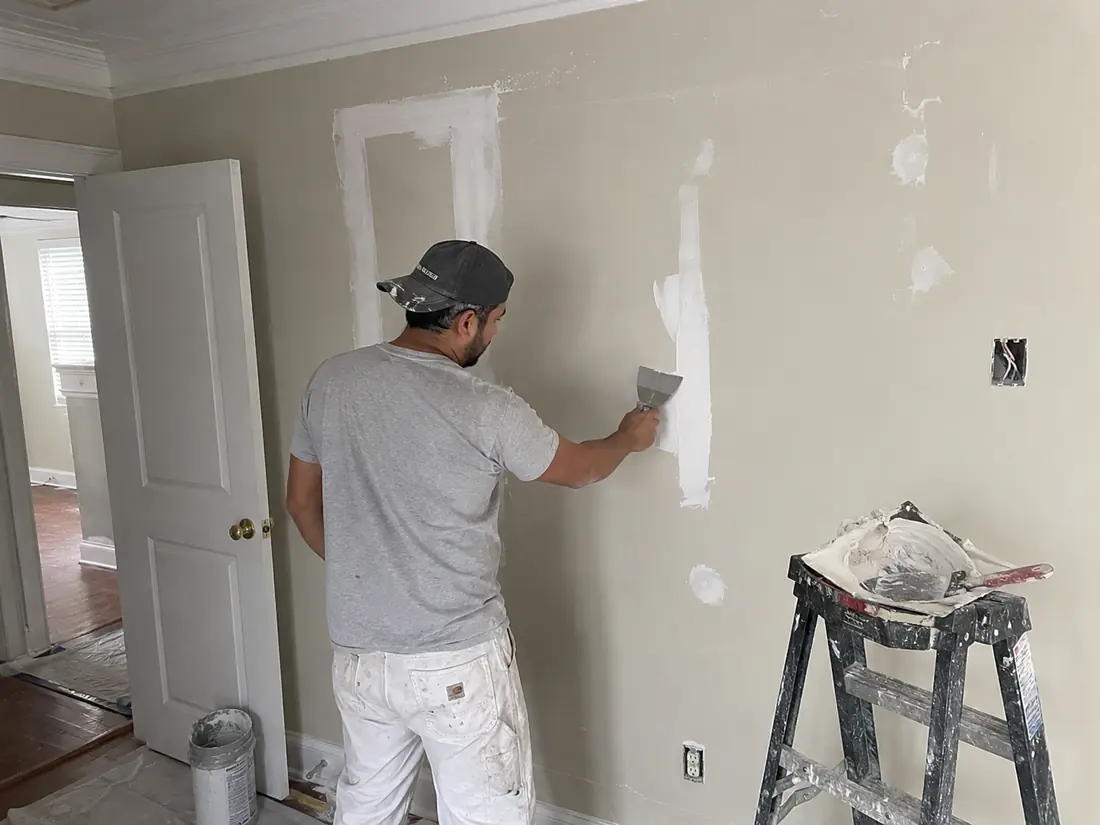
Holes, cracks, nail pops and settlement damage repaired and textured to match the surrounding wall.
Learn more →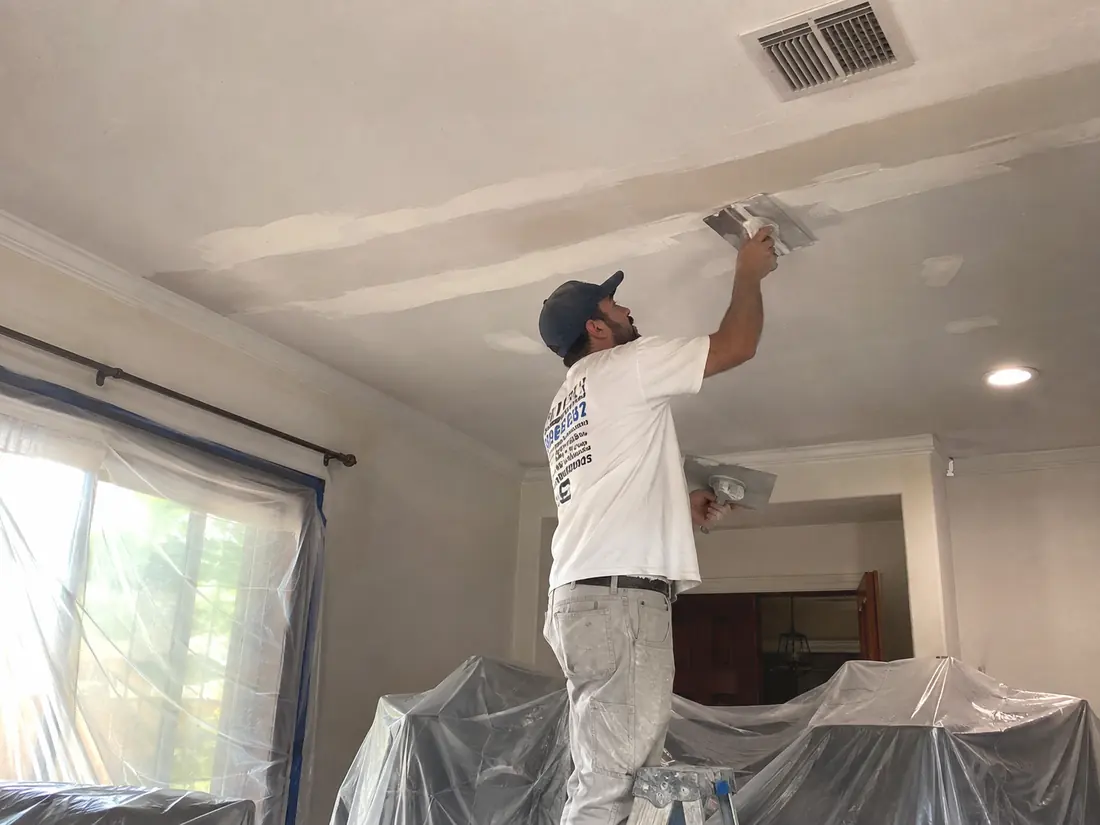
Ceiling Drywall Repair
Sagging ceilings, water stains, joint cracking and failed fasteners corrected with the right board thickness.
Learn more →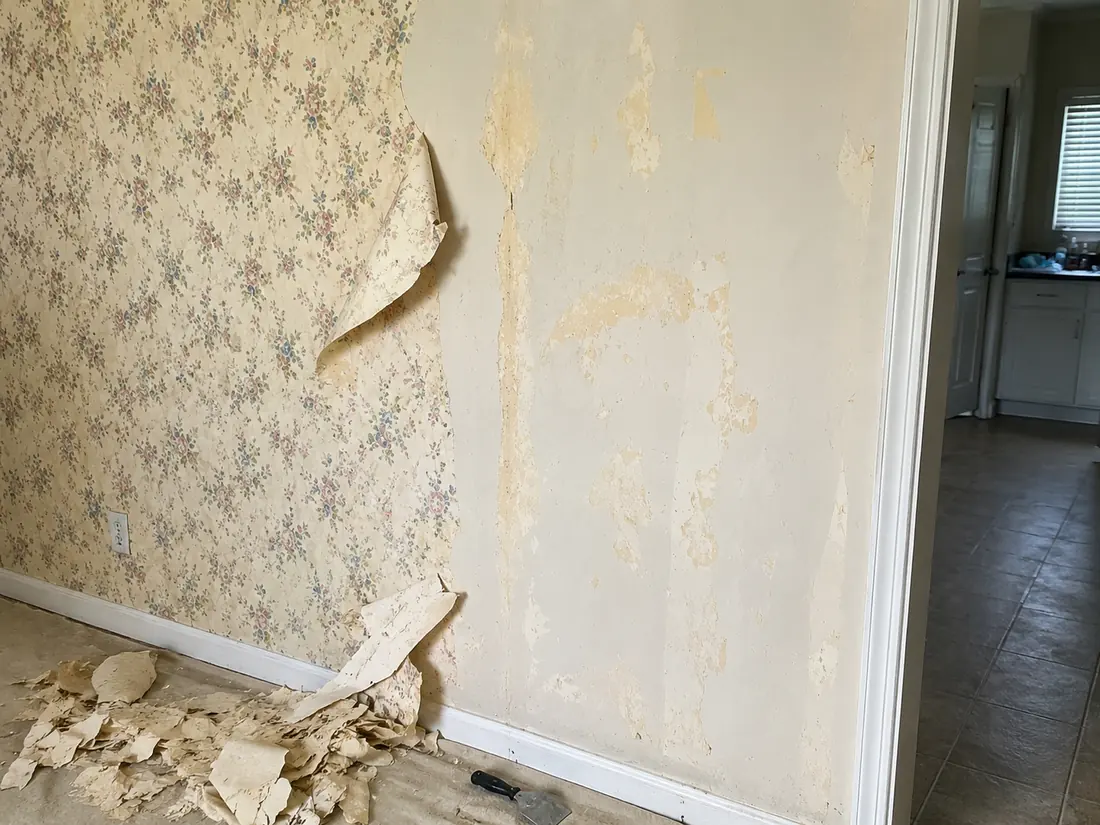
Wallpaper Removal
Paper stripped, adhesive residue removed and walls skimmed flat so new paint lays down without telegraphing seams.
Learn more →Not what you were looking for? See all drywall services or learn more about us.
Ready to get started?
Free written estimate, itemized before anything begins. We respond within 2 business hours.
Get a Free Quoteor call (318) 666-5548